
Mark 1 · Centipede
1
A Centipede story gathers crawling movement, small cutting tools and everyday objects.
Canonical source name: Centipede (Weapon). Traditional associations: Centipede
View Mark DetailsPLAY WHE • CULTURAL REFERENCE
Explore traditional groups, sayings and circulating Play Whe story associations from Trinidad and Tobago.
Play Whe has a long oral and player tradition in which marks are connected through sayings, situations, characters, dreams and stories. Associations vary between players and sources. This library records traditional and circulating references; it does not establish predictive power, and historical results do not predict future draws.
Open the canonical 36-mark reference for source terminology, connected Couples, Families and Caprices.
PLAY WHE DREAM LOOKUP
Search a dream, object, person or event to find its traditional Play Whe association.
COLLECTION ONE
Traditional fixed combinations and their story concepts, rewritten for this reference library. Number Story Groups are separate from the source-defined Mark Families.
1
A Centipede story gathers crawling movement, small cutting tools and everyday objects.
Canonical source name: Centipede (Weapon). Traditional associations: Centipede
View Mark Details
2
The Old Lady story connects an older woman with family care, children and the household.
Canonical source name: Old Lady (Old Lady). Traditional associations: Old Lady
View Mark Details
3
The Carriage story uses transport, movement, vehicles and journeys.
Canonical source name: Carriage (Transportation). Traditional associations: Carriage
View Mark Details
4
The Dead Man story refers to death, funerals and burial.
Canonical source name: Dead Man (Fresh dead). Traditional associations: Dead Man
View Mark Details
5
The Parson Man story places a priest in religious and community settings.
Canonical source name: Parson Man (Parson). Traditional associations: Parson Man
View Mark Details
6
The Belly story centers on the body, fullness, pregnancy and illness.
Canonical source name: Belly (Pregnant woman). Traditional associations: Belly
View Mark Details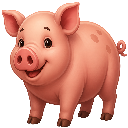
7
The Hog story brings together the animal, mud, digging and farm settings.
Canonical source name: Hog (Sick man). Traditional associations: Hog
View Mark Details
8
The Tiger story uses strength, danger, fighting, hunting and a powerful animal.
Canonical source name: Tiger (Warrior). Traditional associations: Tiger
View Mark Details
9
The Cattle story connects farm animals with milk, grass, meat and rural life.
Canonical source name: Cattle (Madman). Traditional associations: Cattle
View Mark Details
10
The Monkey story describes playful children, climbing, teasing and performance.
Canonical source name: Monkey (Boy/children). Traditional associations: Monkey
View Mark Details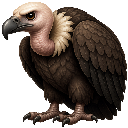
11
The Corbeau story uses the bird, dark colour, people, crowds and public roles.
Canonical source name: Corbeau (Policeman). Traditional associations: Corbeau
View Mark Details
12
The King story refers to authority, rank, formal dress and command.
Canonical source name: King (Saga boy). Traditional associations: King
View Mark Details
13
The Crapaud story centers on a frog, children, music and earthy surroundings.
Canonical source name: Crapaud (Girl child). Traditional associations: Crapaud
View Mark Details
14
The Money story brings together cash, coins, jewellery and value.
Canonical source name: Money (Money). Traditional associations: Money
View Mark Details
15
The Sick Woman story refers to illness, care, medicine, pregnancy and hospital.
Canonical source name: Sick Woman (Sick woman). Traditional associations: Sick Woman
View Mark Details
16
The Jamette story describes rowdy public energy, quarrelling, carnival and street life.
Canonical source name: Jamette (Jamette). Traditional associations: Jamette
View Mark Details
17
The Pigeon story uses birds, love, letters, family and domestic imagery.
Canonical source name: Pigeon (Young girl). Traditional associations: Pigeon
View Mark Details
18
The Water Boat story connects boats with rivers, bathing, the sea and changing water.
Canonical source name: Water Boat (Sailing). Traditional associations: Water Boat
View Mark Details
19
The Horse story brings together riding, racing, movement, dancers and the track.
Canonical source name: Horse (Saddle). Traditional associations: Horse
View Mark Details
20
The Dog story refers to dogs, loyalty, commands, the home and the road.
Canonical source name: Dog (Dog). Traditional associations: Dog
View Mark Details
21
The Mouth story centers on speaking, eating, arguing, teeth and the face.
Canonical source name: Mouth (Talkative person). Traditional associations: Mouth
View Mark Details
22
The Rat story uses theft, hiding, holes, damaged clothing and the rodent.
Canonical source name: Rat (Business place). Traditional associations: Rat
View Mark Details
23
The House story includes homes, churches, offices, hospitals and rooms.
Canonical source name: House (Church). Traditional associations: House
View Mark Details
24
The Queen story refers to royalty, food, fruit, older women and dignity.
Canonical source name: Queen (Women). Traditional associations: Queen
View Mark Details
25
The Morrocoy story uses a hard shell, slow movement, enclosed places and the tortoise.
Canonical source name: Morocoy (Fire). Traditional associations: Morrocoy
View Mark Details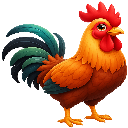
26
The Fowl story brings together birds, music, celebration, crowds and farm life.
Canonical source name: Fowl (Fete/crowd). Traditional associations: Fowl
View Mark Details
27
The Little Snake story uses thin, winding or flexible objects, roads and sticks.
Canonical source name: Little Snake (Road). Traditional associations: Little Snake
View Mark Details
28
The Red Fish story connects fish, water, swimming, catching and the sea.
Canonical source name: Red Fish (Fishes). Traditional associations: Red Fish
View Mark Details
29
The Opium Man story describes intoxication, smoke, a drifting walk and the retained Chinese-man association.
Canonical source name: Opium Man. Traditional associations: Opium Man
View Mark Details
30
The House Cat story uses indoor life, small thefts, drawers, money and the cat.
Canonical source name: House Cat (Cat). Traditional associations: House Cat
View Mark Details
31
The Parson Wife story refers to prayer, teaching, nursing, church and care.
Canonical source name: Parson Wife (Wife). Traditional associations: Parson Wife
View Mark Details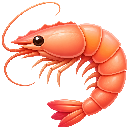
32
The Shrimp story uses small seafood, water, bottles, shells and coastal images.
Canonical source name: Shrimps. Traditional associations: Shrimp
View Mark Details
33
The Spider story refers to webs, hair, nests, traps and small spaces.
Canonical source name: Spider (Cleaning House). Traditional associations: Spider
View Mark Details
34
The Blind Man story gathers blindness, eyes, reading, darkness and searching.
Canonical source name: Blind man. Traditional associations: Blind Man
View Mark Details
35
The Big Snake story uses long roads, vines, rivers, large reptiles and scale.
Canonical source name: Big Snake (Man come). Traditional associations: Big Snake
View Mark Details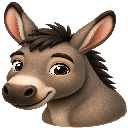
36
The Donkey story combines the animal with riding, bridges, water, wells and laughter.
Canonical source name: Donkey. Traditional associations: Donkey
View Mark DetailsCOLLECTION TWO
Explore stories by their associated marks, or search the full relationship.
Choose a mark
Mark 1
A Centipede story gathers crawling movement, small cutting tools and everyday objects.
Recorded associations: Centipede
View Mark DetailsMark 2
The Old Lady story connects an older woman with family care, children and the household.
Recorded associations: Old Lady
View Mark DetailsMark 3
The Carriage story uses transport, movement, vehicles and journeys.
Recorded associations: Carriage
View Mark DetailsMark 4
The Dead Man story refers to death, funerals and burial.
Recorded associations: Dead Man
View Mark DetailsMark 5
The Parson Man story places a priest in religious and community settings.
Recorded associations: Parson Man
View Mark DetailsMark 6
The Belly story centers on the body, fullness, pregnancy and illness.
Recorded associations: Belly
View Mark DetailsMark 7
The Hog story brings together the animal, mud, digging and farm settings.
Recorded associations: Hog
View Mark DetailsMark 8
The Tiger story uses strength, danger, fighting, hunting and a powerful animal.
Recorded associations: Tiger
View Mark DetailsMark 9
The Cattle story connects farm animals with milk, grass, meat and rural life.
Recorded associations: Cattle
View Mark DetailsMark 10
The Monkey story describes playful children, climbing, teasing and performance.
Recorded associations: Monkey
View Mark DetailsMark 11
The Corbeau story uses the bird, dark colour, people, crowds and public roles.
Recorded associations: Corbeau
View Mark DetailsMark 12
The King story refers to authority, rank, formal dress and command.
Recorded associations: King
View Mark DetailsMark 13
The Crapaud story centers on a frog, children, music and earthy surroundings.
Recorded associations: Crapaud
View Mark DetailsMark 14
The Money story brings together cash, coins, jewellery and value.
Recorded associations: Money
View Mark DetailsMark 15
The Sick Woman story refers to illness, care, medicine, pregnancy and hospital.
Recorded associations: Sick Woman
View Mark DetailsMark 16
The Jamette story describes rowdy public energy, quarrelling, carnival and street life.
Recorded associations: Jamette
View Mark DetailsMark 17
The Pigeon story uses birds, love, letters, family and domestic imagery.
Recorded associations: Pigeon
View Mark DetailsMark 18
The Water Boat story connects boats with rivers, bathing, the sea and changing water.
Recorded associations: Water Boat
View Mark DetailsMark 19
The Horse story brings together riding, racing, movement, dancers and the track.
Recorded associations: Horse
View Mark DetailsMark 20
The Dog story refers to dogs, loyalty, commands, the home and the road.
Recorded associations: Dog
View Mark DetailsMark 21
The Mouth story centers on speaking, eating, arguing, teeth and the face.
Recorded associations: Mouth
View Mark DetailsMark 22
The Rat story uses theft, hiding, holes, damaged clothing and the rodent.
Recorded associations: Rat
View Mark DetailsMark 23
The House story includes homes, churches, offices, hospitals and rooms.
Recorded associations: House
View Mark DetailsMark 24
The Queen story refers to royalty, food, fruit, older women and dignity.
Recorded associations: Queen
View Mark DetailsMark 25
The Morrocoy story uses a hard shell, slow movement, enclosed places and the tortoise.
Recorded associations: Morrocoy
View Mark DetailsMark 26
The Fowl story brings together birds, music, celebration, crowds and farm life.
Recorded associations: Fowl
View Mark DetailsMark 27
The Little Snake story uses thin, winding or flexible objects, roads and sticks.
Recorded associations: Little Snake
View Mark DetailsMark 28
The Red Fish story connects fish, water, swimming, catching and the sea.
Recorded associations: Red Fish
View Mark DetailsMark 29
The Opium Man story describes intoxication, smoke, a drifting walk and the retained Chinese-man association.
Recorded associations: Opium Man
View Mark DetailsMark 30
The House Cat story uses indoor life, small thefts, drawers, money and the cat.
Recorded associations: House Cat
View Mark DetailsMark 31
The Parson Wife story refers to prayer, teaching, nursing, church and care.
Recorded associations: Parson Wife
View Mark DetailsMark 32
The Shrimp story uses small seafood, water, bottles, shells and coastal images.
Recorded associations: Shrimp
View Mark DetailsMark 33
The Spider story refers to webs, hair, nests, traps and small spaces.
Recorded associations: Spider
View Mark DetailsMark 34
The Blind Man story gathers blindness, eyes, reading, darkness and searching.
Recorded associations: Blind Man
View Mark DetailsMark 35
The Big Snake story uses long roads, vines, rivers, large reptiles and scale.
Recorded associations: Big Snake
View Mark DetailsMark 36
The Donkey story combines the animal with riding, bridges, water, wells and laughter.
Recorded associations: Donkey
View Mark DetailsStories provide traditional relationships. Use View in Draw Explorer to inspect the marks as a manual selection. That handoff does not turn a story into a traditional chart or imply an advantage.